
Head of Product Career Path & How To Become One Organizers of INDUSTRY: The Product Conference
March 19, 2021Euro Interbank Offered Rate Euribor Definition, Uses, vs STR
May 3, 2021
Since the skin isn’t cut or broken, you won’t see external bleeding. But damage to blood vessels below the skin causes them to rupture and leak blood. You could also have some sort of blood disorders such as a clotting disorder, blood cancer (leukemia), hemophilia, Cushing’s syndrome, or Von Willebrand’s disease.
Our mental health services
- Chronic alcohol misuse can also lead to liver disease, which often causes bruising.
- However, frequent bruising, easy bruising, large bruises, slowly healing bruises, or unexplained bruises can be signs of underlying health conditions, such as hematological diseases.
- But you may also bleed a little more if you cut yourself while drinking.
- While not likely, easy bruising could be a sign of certain cancers such as Leukemia, although it is often accompanied by excessive bleeding as well.
- This condition has a high mortality rate and is not reversible.
A damaged liver affects the body’s ability to form clots and stop bleeding. According to the American Liver Foundation, people with cirrhosis may bleed or bruise more easily. When you bruise easily, it can sometimes seem just as easy to identify the cause, such as advancing age or a blood thinner medication you’re taking. But some people who develop large bruises, multiple bruises at the same time, or bruises (also called contusions) that happen without a known cause, may have an underlying medical condition. A bruise can occur in response to an injury or Substance abuse due to underlying health conditions. Minor bruises usually heal on their own and don’t need any treatment.
- For example, if you present with petechiae, the healthcare provider may order blood tests to check your platelet levels.
- In these situations, it is generally recommended to avoid alcohol altogether given the compounding effects on bleeding risks.
- Recognizing the signs of alcoholism is the first step toward recovery.
- It’s important to understand the consequences of binge drinking, which include an increased chance of alcohol bruising on arms and legs and other major and minor health issues.
- After the impact occurs, your body rapidly works to plug these broken capillaries and prevent any blood from leaking out.
Long-Term Impact of Alcohol on Bruising and Bleeding
This effect may explain why you’re waking up with bruises after drinking. Liver damage from cirrhosis is not reversible, and it is linked to high mortality rates. There are several causes of bruises after drinking; some of these causes are not particularly serious, whereas others could point to a health problem. Perhaps the most common cause of bruising from alcohol is that alcohol acts as a vasodilator, making blood vessels larger.
What is lacking when you bruise easily?
Use https://ecosoberhouse.com/ of a bleeding assessment tool and a comprehensive history, physical examination, and patient-provided photographs can help identify causes of abnormal bleeding and bruising. Nonaccidental trauma should be considered, especially in vulnerable populations. Normal PT and aPTT results may indicate a platelet disorder. Consultation with a hematologist is recommended when initial evaluation indicates a bleeding disorder or when suspicion remains high despite a normal laboratory workup result.
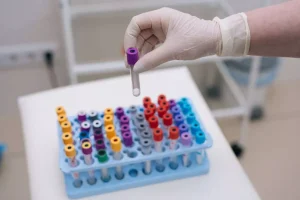
Blood Cancer
A deficiency is rare but can occur in newborns, who are typically given a vitamin K injection at birth to prevent a deficiency. It can be of various types, such as Kawasaki disease, giant cell arteritis, Takayasu’s arteritis, Behcet’s disease, and others. These are relatively rare medical conditions, but they can cause bleeding under the skin (petechiae or red spots). In this case, you should go see your doctor to find out what’s going on.
Cancers
- Being more conscious about potential hazards and more cautious in your movements can help reduce the chance of injury after drinking.
- As you get older, your skin produces less collagen, a protein that keeps skin looking firm and plump.
- Some people just have more fragile blood vessels, and that makes them more likely to bruise, especially on their upper arms, thighs, or butt.
It can also affect body functions, such as urination or digestion. Consistently drinking over a period of time leads you to develop a tolerance to alcohol. If you suddenly stop drinking, this can lead to a number of uncomfortable alcohol withdrawal symptoms. It often drives people with alcoholism to keep drinking in order to limit these symptoms. Alcohol’s effects on skin can be quite visible not long after drinking. There are many facial signs of alcoholism, but one of the most common signs is redness in your face.
Liver Damage And Bruising
What you’re technically experiencing there is a drop in your blood pressure, which causes the heart to work a little harder than usual to pump blood to the rest of your organs. That’s right — my arms and legs were so spotted with blacks and blues, I was basically alcohol bruising a human cheetah. I am a passionate beer connoisseur with a deep appreciation for the art and science of brewing. On dark skin, petechiae may not always show up, which means a doctor could miss them. They may be visible in areas with less melanin, such as the forearms.
